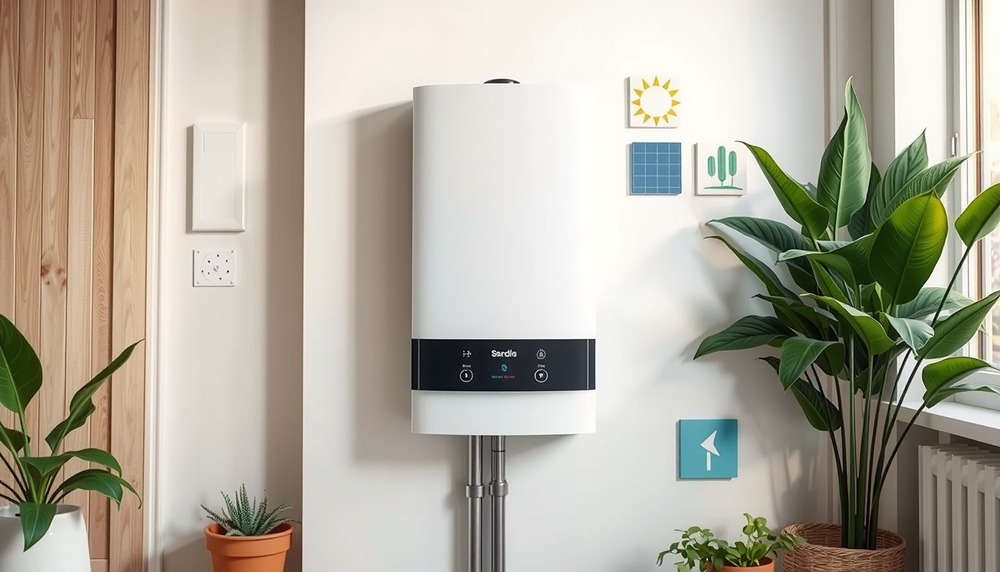
Living in Scotland means we are all too familiar with the unpredictable nature of the weather. One minute it is glorious sunshine, and the next, a biting wind is coming off the North Sea or a damp mist is rolling in from the Atlantic. Because our winters tend to be long and our summers can often be described as ‘mild’ at best, our central heating systems work much harder than those in the south of the UK. When your heating is running for eight or nine months of the year, the reliability of your system is not just a matter of comfort; it is a matter of necessity.
If your current unit is making strange clunking noises, struggling to heat your radiators, or constantly losing pressure, you are likely already considering an upgrade. Investing in a new boiler scotland can significantly change the way your home feels during those freezing January nights. Modern systems are designed to be far more resilient and efficient, ensuring that you are not wasting money heating the street through an inefficient flue or an outdated heat exchanger.
Understanding the benefits of a modern heating system
The primary reason most homeowners decide to take the plunge and look for a new boiler in Scotland is the sheer difference in efficiency. Older G-rated boilers might only be 60% to 70% efficient, meaning for every pound you spend on gas, thirty to forty pence is effectively wasted. In contrast, modern A-rated condensing boilers operate at 90% efficiency or higher. This transition can lead to substantial savings on your annual energy bills, which is particularly relevant given the recent fluctuations in energy pricing.
Beyond the financial savings, there are several other practical benefits to upgrading your system:
- Improved Reliability: New units come with modern components that are less likely to fail during a cold snap.
- Quieter Operation: Modern engineering means that the constant humming or vibrating of an old boiler becomes a thing of the past.
- Smart Integration: Most new systems are compatible with smart thermostats like Nest or Hive, allowing you to control your heating from your phone.
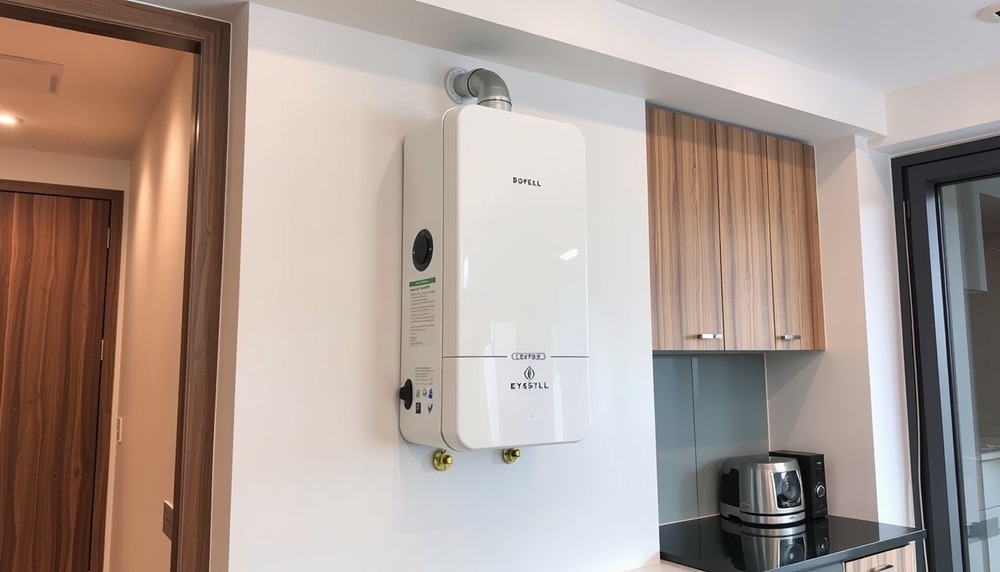
- Space Saving: Modern combi boilers are often compact enough to fit inside a standard kitchen cupboard, freeing up space in your airing cupboard or loft.
- Environmental Impact: By burning fuel more efficiently, you are significantly reducing your home’s carbon footprint.
Choosing the right type of boiler for your Scottish home
Scotland has a diverse range of housing stock, from traditional sandstone tenements in Glasgow and Edinburgh to modern detached homes in the Highlands and coastal bungalows in Fife. The type of property you live in will largely dictate which boiler system is most suitable for your needs. It is not a one-size-fits-all situation, and understanding the differences can help you have a more informed conversation with your installer.
Combination (Combi) Boilers
Combi boilers are the most popular choice for small to medium-sized homes. They provide both heating and hot water directly from the mains without the need for a separate water tank or cylinder. This makes them incredibly space-efficient. They are ideal for flats and houses with one bathroom, as they provide hot water on demand. However, if you have a large family where multiple showers are running at once, a combi might struggle to maintain water pressure across all outlets.
System Boilers
A system boiler requires a cylinder for storing hot water, but the major heating and hot water components are built into the boiler itself, making installation quicker and tidier. These are fantastic for larger homes with multiple bathrooms. Because the hot water is stored in a cylinder, you can run several taps simultaneously without a drop in temperature. In Scotland, where many older homes have been extended or converted, system boilers provide the high flow rate needed for modern luxury bathrooms.
Regular (Conventional) Boilers
Also known as traditional or heat-only boilers, these systems require both a hot water cylinder and a cold water storage tank, usually located in the loft. While they take up the most space, they are often the best choice for older properties with traditional radiator systems that might not be able to handle the high water pressure of a combi or system boiler. If you are replacing an old boiler in a large traditional house, staying with a regular system can sometimes be the most cost-effective and least disruptive option.
The importance of professional installation and local expertise
When searching for a new boiler scotland residents should always prioritise the quality of the installation over the lowest possible price. A boiler is a complex piece of machinery that involves gas, water, and electricity; getting the installation wrong can be dangerous and incredibly expensive to fix. It is vital to ensure that your installer is Gas Safe registered and has experience dealing with the specific challenges of Scottish properties, such as ensuring external condensate pipes are properly insulated to prevent freezing during winter.
When you are vetting potential installers, there are a few key things you should look for to ensure you are getting a high-quality service:
- Gas Safe Certification: This is a legal requirement in the UK for anyone working on gas appliances.
- Local Knowledge: Installers who understand the local water hardness and common housing types in your area can provide better advice.
- Transparent Pricing: A reputable company will provide a clear, written quote with no hidden extras for ‘unexpected’ pipework.
- Manufacturer Accreditations: Many top brands like Worcester Bosch or Vaillant have accredited installer schemes, which often allow the engineer to offer extended warranties.
- Positive Reviews: Check for genuine feedback from other homeowners in your part of Scotland.
Grants and financial support for Scottish homeowners
The Scottish Government is particularly proactive when it comes to energy efficiency. Through initiatives like Home Energy Scotland, there are often grants or interest-free loans available to help homeowners upgrade to more efficient heating systems. These programmes are designed to help Scotland meet its climate targets while reducing fuel poverty across the country. It is always worth checking if you are eligible for any financial assistance before committing to a purchase, as this can significantly offset the initial cost of a new boiler scotland installation.
Eligibility for these schemes often depends on your current boiler’s age, your property’s energy rating, and sometimes your personal financial circumstances. Even if you do not qualify for a full grant, the long-term energy savings of a high-efficiency boiler often mean the system pays for itself over several years. Furthermore, many installation companies offer flexible financing options, allowing you to spread the cost of the new unit over several months or years, making the upgrade more manageable for the household budget.
Warranties and long-term peace of mind
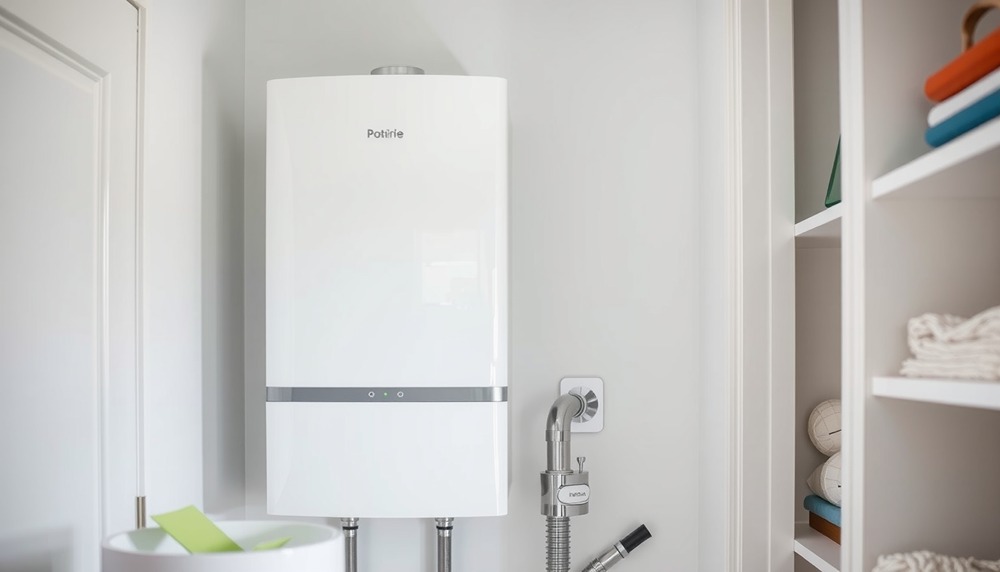
One of the most overlooked aspects of buying a new boiler is the warranty that comes with it. In the past, a standard one or two-year warranty was the norm, but today, many manufacturers offer five, seven, or even ten-year warranties on their premium models. This provides immense peace of mind, knowing that if anything goes wrong during that period, the cost of parts and labour will be covered. However, it is important to remember that these warranties are almost always conditional on you having the boiler serviced annually by a qualified engineer.
An annual service is not just a box-ticking exercise for the warranty; it is a vital safety check. During a service, an engineer will check for leaks, test the flue for carbon monoxide emissions, and clean internal components to ensure the boiler is running at peak efficiency. In the harsh Scottish climate, where the boiler is under constant load for months on end, this yearly check-up ensures that the system remains safe and reliable for your family. By keeping up with maintenance, you extend the lifespan of your investment and ensure that your home remains a warm, dry sanctuary regardless of what the weather is doing outside.

Sophie Langford is a writer and parenting advocate who specializes in creating supportive content for families. Her work focuses on practical parenting tips, child development, and navigating the challenges of modern family life. Sophie is dedicated to providing informative articles that help parents make informed decisions with confidence.